
Why You Should Get a Mid-Year Hearing Checkup
The middle of the year has a different pace than January. The calendar has
By: admin | September 21, 2026
The middle of the year has a different pace than January. The calendar has settled down, and the routines you started months ago are simply part of the week now.
Around here, that might mean an early walk along the beach or lunch somewhere on the island. It’s also a natural point to think about appointments that don’t always make it onto the calendar at the beginning of the year.
A mid-year hearing checkup gives you a chance to see where your hearing stands after the first several months of the year.
You don’t need to wait until your usual annual appointment or until something seems different. Whether you wear hearing aids or haven’t had a test recently, the middle of the year can be a practical time to check in.
A mid-year hearing checkup looks at how your hearing has been since your last appointment. Your hearing specialist will ask about anything you’ve noticed over the past several months.
They’ll examine your ears and complete testing, then compare those results with earlier ones when available. If you wear hearing aids, they may also check the devices and ask how they’ve been sounding lately.
You can also bring up small things that have caught your attention since your last visit.
Maybe certain conversations sound different, or your hearing aids don’t seem quite the same as they did a few months ago. The appointment gives your hearing specialist current results to work from and a chance to look into anything you’ve noticed.
A hearing checkup is less likely to slip your mind when you choose a regular time for it each year. Some people use the middle of the year because it falls between other appointments already on the calendar.
You could schedule around a quieter month at work or before summer travel begins.
If you wear hearing aids, that visit also puts a regular date on the calendar for having your hearing devices checked and maintained. Picking a time that works with your usual schedule means you won’t have to remember exactly how long it has been since your last appointment.
A mid-year test adds another set of results to your hearing record. Your specialist can place them beside earlier tests and show you what has stayed the same or changed.
Instead of trying to remember how your hearing seemed six months or a year ago, you have actual results to compare.
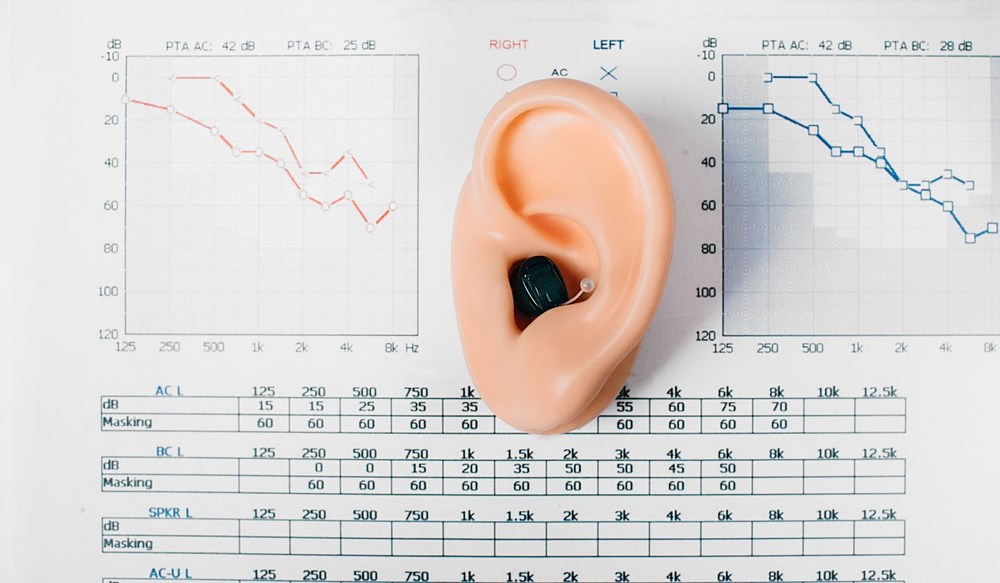
Your hearing specialist can also walk through the audiogram with you and explain what the numbers mean for the sounds you hear. Keeping those results from one appointment to the next creates a history that you and your provider can refer to at future visits.
Changes in hearing may first show up in small moments during your usual day. When the same things keep happening, they’re worth mentioning at your mid-year checkup.
This could include:
When hearing changes at certain frequencies, some of that information may no longer reach the brain as clearly. Finding those changes earlier can limit how long certain sounds are missed.
For someone who wears hearing aids, new test results may also show that the programming needs to be adjusted.
Keeping the devices matched to your current hearing means speech sounds continue reaching the brain at levels you can hear. This is especially relevant for sounds that separate similar words during conversation.
Hearing doesn’t function separately from the rest of your body. The inner ear relies on blood flow and nerve activity to receive and process sound.
Changes involving circulation or the nervous system may sometimes affect hearing as well. Certain medications can also affect structures within the ear.
A change in hearing may therefore happen during the same period as other changes in your health.
Listening itself uses mental energy. When certain speech sounds aren’t coming through clearly, your brain has incomplete information to work with.
Untreated hearing loss can change the way conversations unfold. You might hear enough of a sentence to respond yet miss a word that changes what the person meant.
That can create confusion before either person realizes something was misheard. Repeated requests for clarification may interrupt the flow of a conversation.
In a group, the discussion might move to another topic while you’re still working out an earlier comment. These moments can also be mistaken for inattention.
A spouse might think you ignored a question when you never heard it clearly. When situations like these keep happening, communication can become more tiring and frustration may begin to show up in the relationship.
Protecting your hearing between appointments often comes down to how you handle loud sound when you encounter it. Moving farther from a speaker or noisy machine reduces the amount of sound reaching your ears.
Earplugs or earmuffs are useful when you know you’ll be around louder noise for a while. With headphones, keep the volume at a level where you don’t need to compete with sounds around you.
Your ears also need quieter periods after extended noise exposure. Pay attention if your hearing seems muffled afterward or ringing appears and doesn’t settle down.
Make a note of when it happened and what you were doing so you can discuss the change at your next appointment.
A mid-year visit is a good time to talk about what you’ve noticed since your last appointment. Think about situations where hearing has felt different or where your devices haven’t worked as expected.
A few questions can keep the conversation focused on what you’ve experienced:
The timing of a follow-up visit doesn’t always depend on the date of your last appointment. A change in how you hear during familiar situations may be a reason to return sooner.
You might notice that voices sound different or that a setting you use regularly no longer works the same way. Physical changes matter too.
A device that suddenly feels loose or uncomfortable may need to be checked rather than left until your next scheduled visit. Follow-ups also give your hearing specialist time to compare current hearing results with earlier tests.
If everything has remained consistent, your specialist can recommend how long to wait before another visit. That timing will vary depending on what they find and whether anything has changed since your previous evaluation.
Creating reminders for hearing care keeps routine tasks from slipping your mind during a busy week. A recurring calendar alert could remind you when it’s time to clean your devices.
For supplies you replace less often, set the reminder around the schedule that matches how quickly you use them. Put your next appointment in your calendar when you schedule it instead of relying on the reminder card later.
Keep a running note for your next visit as well. If a device starts fitting differently, write down when you first noticed it.
You can do the same when a familiar setting begins sounding different than it did before. When your appointment arrives, those notes give you specific details to bring into the conversation.
A mid-year check-in gives you a chance to see where your hearing stands after several months of daily life. Your hearing specialist can compare current results with earlier tests and talk through anything you’ve noticed along the way.
It’s also a chance to review how your devices have been fitting into your routine. You leave with current information about your hearing and a plan for when another visit makes sense.
When you’re ready to schedule your next appointment, our team at Indian River Hearing Center in Vero Beach, FL, is here to help. You can call us at 772-758-0346.
A mid-year visit can fit into any day without becoming the focus of it. You can stop in for your appointment, then head back out and enjoy the rest of your day in Vero Beach.
The middle of the year has a different pace than January. The calendar has
By: admin | September 21, 2026

Anyone who has spent real time on the Treasure Coast knows that the
By: Kevin M. McCurdy, H.A.S., BC-HIS | April 22, 2026

Home is often where conversations should feel most comfortable, yet
By: Kevin M. McCurdy, H.A.S., BC-HIS | February 20, 2026